

Most couples expect pregnancy to happen within a few months of trying. When it doesn’t, the first question is usually “what’s wrong with me?”, and the honest answer is that infertility is rarely about one person or one single cause.
Doctors define infertility as the inability to conceive after 12 months of regular, unprotected intercourse (or 6 months if the woman is over 35). About 1 in 6 couples worldwide run into it. And when the testing is done, the split surprises a lot of people: roughly a third of cases trace back to the female partner, a third to the male partner, and the rest involve both partners or remain unexplained.
Here’s the reassuring part most people don’t hear early enough: once the cause is identified, a large share of infertility is treatable. The hard part is usually getting both partners tested instead of guessing. This guide walks through the real causes, grouped the way fertility clinics actually think about them.

Female causes of infertility
When ovulation doesn’t happen on schedule
Ovulation problems are the single most common cause of female infertility, and the logic is simple: no released egg, no fertilization.
PCOS (polycystic ovary syndrome) leads this list. The hormonal imbalance keeps eggs from maturing and releasing on time, which is why irregular or absent periods are often the first clue. Then there’s hypothalamic dysfunction, where very low body weight, intense training, or prolonged stress scrambles the brain signals that trigger ovulation in the first place. Less common but worth knowing: premature ovarian insufficiency, where the ovaries wind down before age 40, and thyroid disorders, since both an underactive and an overactive thyroid can throw the whole cycle off.
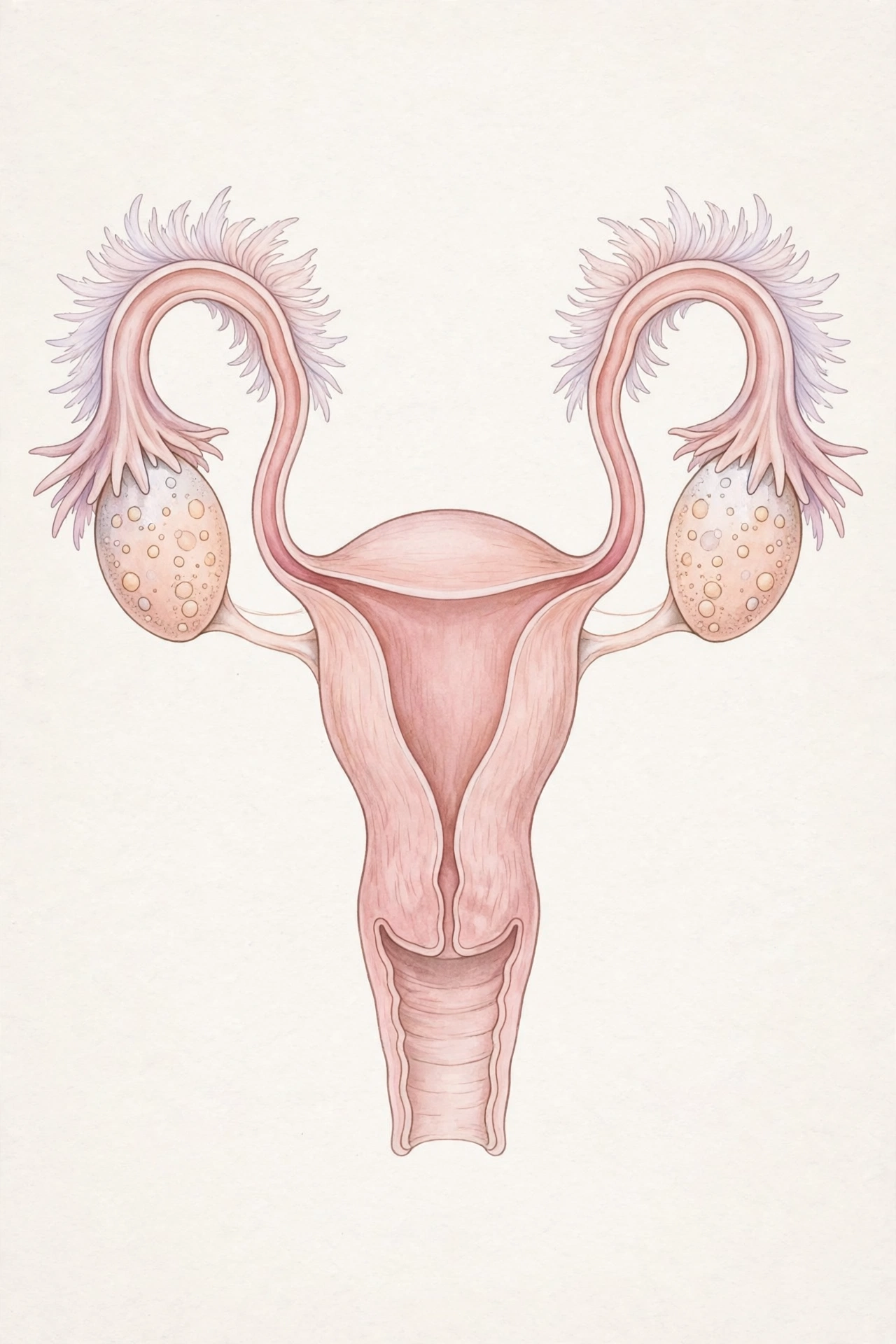
Blocked or damaged fallopian tubes
The tubes are the meeting place. The egg travels from the ovary, the sperm swims up, and they meet in the middle. Scarred or blocked tubes break that meeting entirely.
The usual culprit is pelvic inflammatory disease (PID), most often from an STI that went untreated. Prior abdominal or pelvic surgery (including surgery for an ectopic pregnancy) can leave scar tissue behind, and endometriosis can inflame or obstruct the tubes as well.
Endometriosis
With endometriosis, tissue similar to the uterine lining grows where it shouldn’t, on the ovaries, the tubes, the pelvic wall. It distorts the anatomy, fuels inflammation that harms eggs and sperm, and affects roughly 1 in 10 women of reproductive age. It’s one of the most frequent reasons couples end up needing IVF.
Uterine and cervical factors
Sometimes the egg and sperm are fine, but the uterus won’t cooperate. Fibroids (non-cancerous growths in the uterine wall) can block implantation depending on where they sit and how large they are. Polyps and intrauterine adhesions (Asherman syndrome) can keep an embryo from attaching. Cervical issues, hostile mucus or a narrowed cervix (stenosis), can slow sperm down, though these are less common explanations.
Age and ovarian reserve
This one needs no sugarcoating: female fertility eases downward after 30 and drops more steeply after 35. Women are born with their lifetime supply of eggs, and both count and quality decline with time. Diminished reserve can also show up earlier because of genetics, autoimmune conditions, or treatments like chemotherapy.
Male causes of infertility
Here’s a statistic that still catches people off guard: male factors are involved in about half of all infertility cases. Yet the male partner is often tested last, after months of focusing on the woman. A semen analysis is cheap, simple, and non-invasive – it should be step one, not an afterthought.
Sperm production and quality
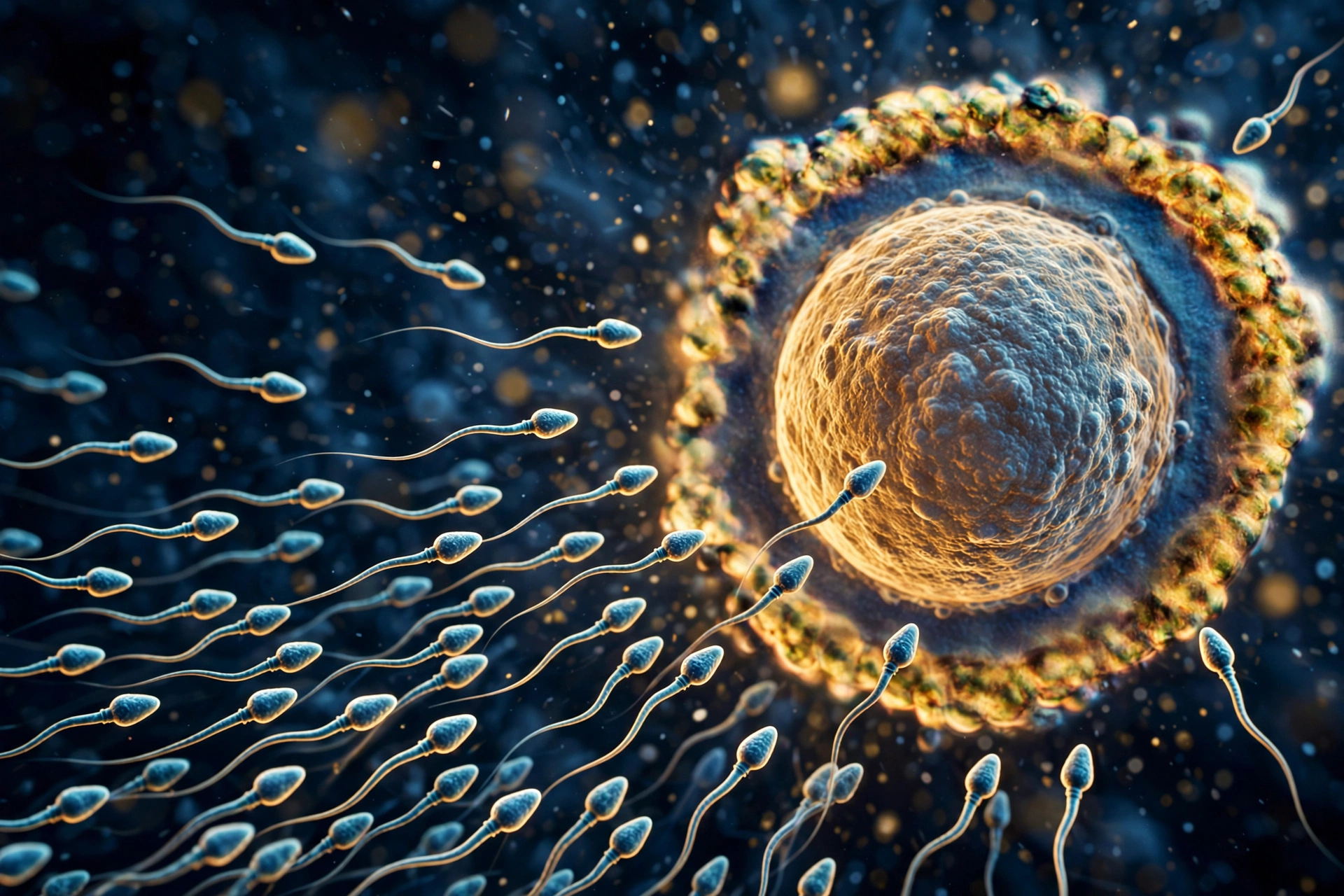
The lab looks at three things: how many sperm there are, how well they swim, and what shape they’re in.
- Low count (oligospermia): fewer than 15 million sperm per milliliter.
- Poor motility (asthenospermia): they can’t swim well enough to reach the egg.
- Abnormal shape (teratospermia): misshapen sperm struggle to penetrate the egg.
- Azoospermia: no sperm in the ejaculate at all, either a blockage or a production failure in the testicles.
Varicocele
A varicocele is a cluster of enlarged veins in the scrotum. It raises the temperature around the testicles just enough to drag sperm count and quality down. The good news: it’s one of the most common correctable causes of male infertility, often fixed with a minor procedure.
Infections, hormones, and blockages
A bad bout of mumps orchitis or an untreated STI can permanently damage sperm production. Hormonal imbalances, testosterone, LH, FSH, prolactin, can quietly suppress output. And physical blockages in the sperm ducts (an old vasectomy, or being born without a vas deferens) mean the sperm never make it into the semen at all.
Ejaculation problems
Less talked about, but real: retrograde ejaculation, where semen goes into the bladder instead of out of the body. It’s linked to diabetes, spinal injuries, and certain medications.
Causes that affect both partners
A few factors don’t pick sides:
- Age, male fertility declines too, just more gradually.
- Weight, both obesity and very low body weight disrupt reproductive hormones in men and women alike.
- Smoking, damages sperm, harms eggs, and lowers IVF success rates. Few single changes matter more than quitting.
- Alcohol and drugs, heavy use suppresses sperm production and ovulation.
- Environmental exposures, pesticides, heavy metals, and sustained high heat (hot tubs and saunas count for men).
- Chronic stress, stress alone rarely causes infertility, but it can disrupt cycles and drain libido, which compounds everything else.
Unexplained infertility
In 10 to 20 percent of couples, every test comes back normal. That’s “unexplained infertility,” and the name is misleading. It doesn’t mean nothing is wrong, only that today’s tests can’t find it. The encouraging part: many of these couples conceive with IUI or IVF, which simply bypass whatever hidden barrier the tests missed.
When should you see a fertility specialist?
Don’t wait indefinitely. Book an evaluation if:
- You’re under 35 and have been trying for 12 months.
- You’re over 35 and have been trying for 6 months.
- Periods are irregular or absent, or there’s known endometriosis, PCOS, a history of PID or pelvic surgery, or a known sperm or testicular issue on the male side.
A standard workup covers both partners: semen analysis for him; blood work for ovulation and ovarian reserve (AMH, day-3 FSH) plus a pelvic ultrasound for her; and usually a tubal patency test (HSG) to confirm the tubes are open.
How the cause points to the treatment
Diagnosis isn’t just a label. It picks the treatment. Ovulation disorders often respond to medication alone. Blocked tubes, severe male factor, significant endometriosis, and unexplained infertility are the classic reasons couples move to IVF, where fertilization happens in the lab and the healthiest embryo is transferred.
Frequently asked questions
Can stress alone cause infertility?
Rarely by itself. But chronic stress can disrupt ovulation and lower libido, which makes conception harder when other factors are already in play.
Is infertility mostly a woman’s issue?
No, and this myth delays care. Male factors contribute to roughly half of cases, which is exactly why both partners should be tested from the start.
Can lifestyle changes actually reverse infertility?
Sometimes, meaningfully. Quitting smoking, reaching a healthy weight, and cutting back on alcohol have all been shown to improve outcomes, especially alongside medical treatment.
If all our tests are normal, is IVF still worth trying?
Often yes. Unexplained infertility responds well to IVF precisely because the process bypasses the tubes and lets doctors select the strongest embryos.
The bottom line
Infertility has many possible causes, but most of them can be found with straightforward testing of both partners, and found early, which matters, because the right diagnosis leads straight to the right treatment. If you’re in the thick of it right now: get evaluated, get answers, and know that most couples who seek help do go on to have healthy pregnancies.
Medical disclaimer: this article is for general information only and is not medical advice. If you are concerned about fertility, please consult a qualified healthcare professional.
Educational guide only — not medical advice. If your clinic chart disagrees with a date here, use the clinic chart. For pain, heavy bleeding, or fever, call your clinic’s after-hours line.