

Updated September 2026. By Dr. Farhan. About first trimester after ivf.
The first trimester after IVF is the same biology as any early pregnancy, with extra paperwork: you may still be on progesterone or estrogen, you already know an educational due date from transfer, and you may have more early scans than a spontaneously conceived pregnancy. On a Day 5 transfer, you start the obstetric clock around 2 weeks 5 days on transfer day, so “week 6” arrives sooner than people who are counting from a late period expect.
Symptoms, nausea, breast tenderness, fatigue, overlap with medication side effects. Lack of nausea is not a reliable danger sign. Bleeding still needs a call, especially with a history of ectopic risk, even though IVF pregnancies are usually intrauterine when they implant in the uterus.
Medication stop dates
Do not wean progesterone because you feel pregnant or because a scan showed a heartbeat unless that is the written plan. Some clinics taper after the eighth week; some sooner; some later. The people who prescribed the support should retire it.
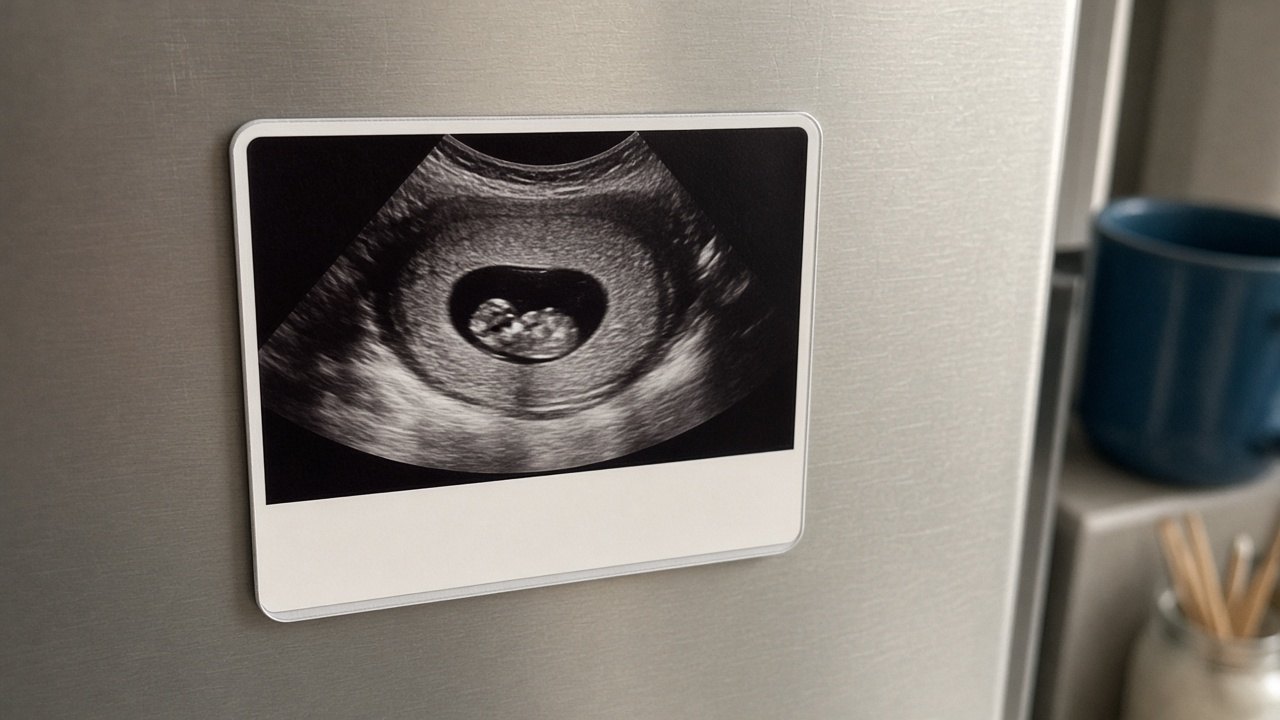
Scans and dating disputes
If CRL is a few days off the IVF date, many obstetricians keep the IVF date. Large discrepancies need a clinical explanation (wrong embryo day entered, vanishing twin, or a dating error). Bring embryo day and transfer date to every new office so they do not default to LMP.
Cost and food do not set gestational age. A known transfer still uses embryo age plus the IVF due date calculator (Day 5 = 261 days from transfer).
Our Android app keeps the same offsets on your phone for appointments.
Mental load
IVF pregnancies can feel conditional until the anatomy scan. That hypervigilance is understandable and exhausting. Ask whether you can reduce extra bloodwork once viability is established if the extra sticks are only feeding fear.
When to seek urgent care
Heavy bleeding, severe one-sided pain, fainting, chest pain, or headache with visual changes (especially if you had OHSS or high blood pressure risk) are not forum questions. Use emergency services and then notify the clinic.
Telling family and setting visitor rules
IVF pregnancies attract unsolicited advice about bed rest and pineapple. A short script , “we are following our obstetrician”, is enough. You do not owe anyone the embryo grade.
If you had bleeding, you can delay a big announcement without being superstitious. Privacy is a boundary, not a bargain with the universe.
We wrote this for people who already have dates on paper. It does not replace genetic counseling or a nurse line.
How IVF dating shapes your first-trimester calendar
The first trimester after IVF begins with a due date anchored to transfer day and embryo age, not the last menstrual period you may never have had while on stimulation medications. Obstetric apps that ask for LMP often mislabel you by one to two weeks unless you enter an IVF or ART mode. Your clinic may still adjust dating after the first ultrasound if crown, rump length differs from transfer-based math by more than a few days; that reconciliation is normal and does not mean the transfer date was wrong.
Progesterone support often continues through weeks 8-12 depending on protocol. Stopping too early without instruction can cause spotting that triggers panic; continuing unnecessarily is usually low risk but worth confirming at the transition visit when your obstetrician takes over from the fertility program. Many patients graduate from the RE to general OB care after a heartbeat scan around 6-7 weeks, though high-risk referrals happen sooner with multiples, prior loss, or maternal age thresholds set by local policy.
Scans, labs, and bleeding scares worth a call
Typical first-trimester monitoring after IVF includes serial beta hCG only during the handoff from fertility care, then dating ultrasound, and sometimes repeat scan if dating was uncertain. NIPT blood screening may be offered from about 10 weeks, distinct from PGT-A on embryos, which tested the embryo before transfer. A normal PGT-A result does not replace NIPT; they measure different things at different stages.
| Concern | Often discussed in first trimester | When to call same day |
|---|---|---|
| Light spotting on progesterone | Common; clinic may check progesterone level or adjust route | Heavy bleeding, clots, or sharp one-sided pain |
| No nausea | Not a reliable sign of failure, many healthy pregnancies are quiet | Severe vomiting with dehydration |
| Cramping | Uterus expanding; overlaps with prior retrieval soreness memory | Pain with shoulder tip pain or dizziness (ectopic concern) |
| Fever or OHSS history | Review recent retrieval complications | Shortness of breath, rapid weight gain, severe abdominal distension |
Early pregnancy after IVF can feel clinically louder than a spontaneous conception because you tested days after transfer and may have ultrasound weeks before friends who waited for a missed period. That visibility increases anxiety without changing baseline miscarriage risk after a confirmed intrauterine pregnancy with heartbeat in most age groups. Our week-by-week hub links forward to second trimester monitoring once you cross week 13.
Transitioning from fertility clinic to obstetric care
Ask explicitly: Who manages bleeding questions after hours? When do progesterone and estrogen supplements stop? Will records transfer to OB automatically? If you used an gestational carrier or donor gametes, legal and medical handoffs may need extra paperwork early, not something to defer to the third trimester.
Exercise, travel, and sexual activity restrictions in the first trimester are usually standard obstetric guidance, not IVF-specific bans, once your provider clears you. Prior miscarriage after IVF may make this trimester emotionally heavy even when current scans look reassuring; that grief is valid and separate from medical risk.
When to tell work and how to phrase it
There is no medical requirement to disclose IVF pregnancy at work before you are ready. If morning sickness or progesterone fatigue affects performance, a generic note from your OB about “pregnancy-related appointments” may suffice without detailing fertility treatment. Know your leave policy for monitoring before you announce, some patients need half-days for subchorionic hematoma follow-ups or extra scans common after IVF. If you travel, carry medication labels for airport security and a clinic letter for progesterone supplies. These are practical planning tips, not HR or legal advice.
Frequently asked questions
Why am I already ‘4 weeks’ pregnant only days after my positive beta?
Obstetric dating adds the time the embryo already spent in the lab and in utero before your test. Transfer day for a Day 5 blastocyst typically places you near 4 weeks 0 days gestational age immediately after implantation.
Does IVF require earlier obstetrician referral?
Not automatically. Referral timing depends on clinic policy, maternal age, chronic conditions, and whether you are carrying multiples. Some RE programs co-manage through 8-10 weeks.
Can I stop progesterone when symptoms feel ‘strong enough’?
No, taper only on your prescribed schedule. Symptom intensity does not reliably reflect progesterone need in the first trimester.
When should I use the due date calculator versus ultrasound dating?
Use transfer-based dating from our IVF due date calculator until ultrasound reconciles dates. After reconciliation, follow your obstetrician’s official EDD for scheduling.
Sources
Educational guide only — not medical advice. If your clinic chart disagrees with a date here, use the clinic chart. For pain, heavy bleeding, or fever, call your clinic’s after-hours line.