
Most people don’t start with IVF. They start with IUI, because it’s simpler, cheaper, and less intimidating. Then after a few failed rounds, someone says the three letters — IVF — and suddenly you’re wondering if you wasted all that time. You didn’t. Here’s how the two actually compare, and how to know when it’s time to switch tools.
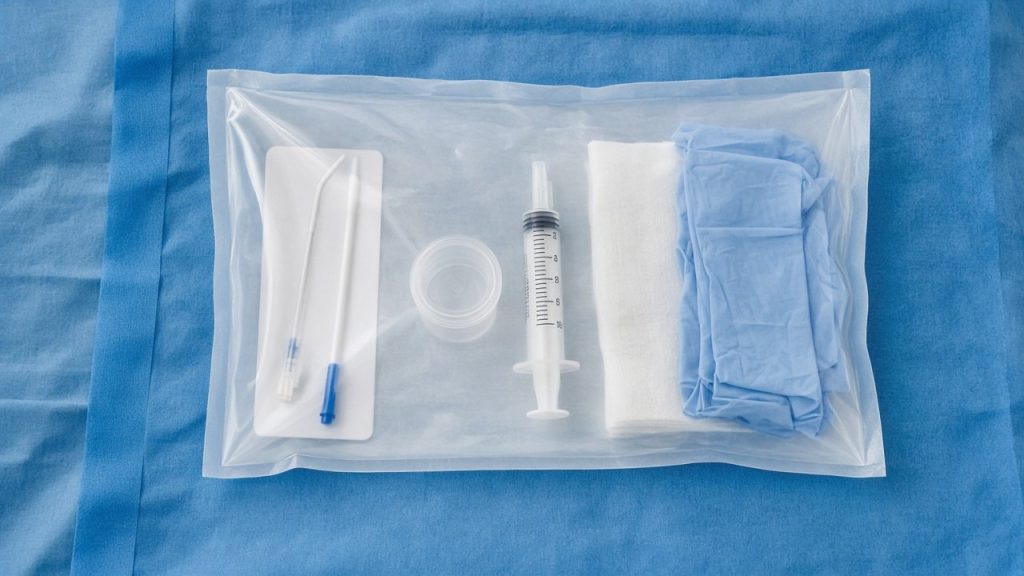
IUI (intrauterine insemination) places washed, concentrated sperm directly into the uterus around ovulation. Fertilization still has to happen the old-fashioned way — inside your fallopian tube. IVF skips that entirely: eggs are retrieved, fertilized in a lab, and the embryo is placed into the uterus days later.
Moving from IUI to IVF isn’t a personal failure. It’s a change in tools when the first tool has done all it can do.
IUI vs IVF: side by side
| IUI | IVF | |
|---|---|---|
| What happens | Washed sperm placed in uterus near ovulation; fertilization inside the body | Eggs retrieved, fertilized in lab, embryo transferred to uterus |
| Bypasses blocked tubes? | No — needs open tubes | Yes |
| Works with severe male factor? | Usually not | Yes, especially with ICSI |
| Embryo testing (PGT) possible? | No | Yes |
| Per-attempt cost | Lower | Higher |
| Invasiveness | Minimal — like a Pap smear | Moderate — sedation for retrieval |
| Typical candidates | Open tubes, adequate sperm, unexplained infertility, mild male factor | Tubal disease, severe male factor, low ovarian reserve, need for donor gametes or genetic testing |
Who IUI actually suits
IUI makes sense when the plumbing works and the raw materials are decent: open fallopian tubes, adequate sperm count, and diagnoses like unexplained infertility or mild male factor. It’s also the standard first step in many insurance plans, which is a practical reality worth knowing about before you get emotionally invested in skipping it.
After three or four well-timed IUIs, the odds per attempt start dropping. That’s not a hard rule — your age and your clinic’s guidelines matter — but it’s the point where most doctors start the IVF conversation. Not because IUI “failed you.” Because the math changed.
When IVF is the right first step
Sometimes IUI is never the right call: blocked or missing tubes, very low sperm counts, a need for donor eggs, or planned genetic testing of embryos. Age can also shorten the IUI runway — spending six more months on low-odds attempts has a real cost when egg quality is declining.
What IUI day actually looks like
You’ll track ovulation (kits or clinic monitoring), sometimes take a trigger shot, and produce a sperm sample the same morning. The procedure itself takes minutes — a thin catheter, mild cramping for some, then you go back to work. Then the wait.
One safety note: if you’re using injectable medications (gonadotropins) rather than oral ones like letrozole, the risk of developing too many follicles goes up. Good clinics cancel or convert the cycle when that happens. A cancelled cycle feels awful. It’s also the clinic doing its job — preventing high-order multiples.
Injectable vs oral IUI: why it matters
Oral medication plus IUI is a different risk profile than injectable plus IUI. Multiple-follicle cancellations happen far more with injectables. Ask your clinic which protocol you’re on and what their follicle cutoff is for cancel-or-convert. That cutoff is how they keep you safe.
Mid-cycle conversion: the surprise nobody mentions
Some programs convert a hyper-responding IUI stimulation into an IVF retrieval mid-cycle. It can be a genuine gift — or a sudden bill you didn’t plan for. Know the price and the consent paperwork before the ultrasound that shows five follicles, not after.
The insurance trap
Some policies require a set number of IUIs before covering IVF, regardless of your diagnosis. If your tubes are blocked, that’s absurd — fight it with a letter from your doctor. Read your benefits booklet once with a highlighter before you start stimulating. And if you convert IUI to IVF mid-cycle, confirm the claim won’t be denied as an “experimental conversion.” Get the billing code in writing first.
Questions to ask your clinic
- Given my diagnosis, how many IUIs would you try before recommending IVF?
- Am I on oral or injectable medication, and what’s your cancel/convert follicle cutoff?
- If we hyper-respond, can we convert to IVF — and what would that cost?
- Does my insurance require IUIs first, and is there an appeal path for my diagnosis?
- If three IUIs fail, what’s the written plan? (Get this before you’re crying in a parking lot.)
Dating a pregnancy from either path
If IUI works, the pregnancy can be dated from the insemination date or from LMP — our IVF due date calculator includes an IUI mode for this. If IVF is the path, dating uses embryo age plus transfer date, which is more exact. A Day 5 transfer is 261 days from transfer day. Related reading: why pregnancy apps get IVF dates wrong.
Sources
- ASRM: Intrauterine Insemination (IUI)
- NHS: Infertility treatment options
- HFEA: Intrauterine insemination (IUI)
Take all of this back to the team that has your chart. They know your tubes, your counts, and your history — this page doesn’t.
Educational guide only — not medical advice. If your clinic chart disagrees with a date here, use the clinic chart. For pain, heavy bleeding, or fever, call your clinic’s after-hours line.