
Edited September 2026 by Dr. Farhan. Educational guide, not a consult.
A hysterosalpingogram or ultrasound report mentioning hydrosalpinx can derail an IVF start date faster than any other incidental finding. Fluid trapped in a blocked fallopian tube may leak into the uterus and make implantation harder, even when embryos look excellent in the lab. That is why reproductive endocrinologists often insist on surgery before transfer, not “we will see after retrieval.”
What hydrosalpinx is
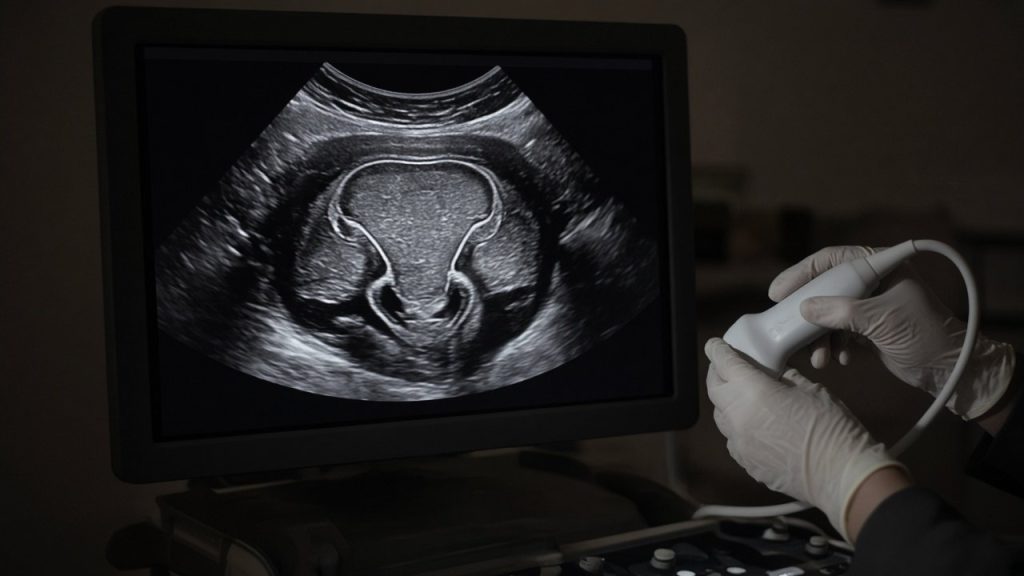
The tube is blocked, often at the far end, and fluid collects inside. Imaging may show a sausage-shaped structure beside the uterus. One-sided hydrosalpinx still matters; bilateral disease raises urgency. Silent hydrosalpinx (seen only on scan, not HSG) gets the same conversation at many centers.

Why IVF can fail with untreated hydrosalpinx
Inflammatory fluid may wash over the endometrium during transfer or early pregnancy. Studies consistently link untreated hydrosalpinx with lower implantation and higher loss compared with treated patients. IVF bypasses the tubes for fertilization, but not for the uterine environment at transfer time.
Salpingectomy vs proximal clipping
Salpingectomy removes the tube segment. Proximal clipping blocks fluid near the uterus while leaving most tube in place, useful when surgery risks ovarian blood supply. Your surgeon balances ovarian reserve against fluid control. Ask which ovary sits close to the diseased tube; endometriosis history complicates the map.
Timing relative to your IVF cycle
Some clinics operate months before stimulation; others schedule laparoscopy between retrieval and frozen transfer. Fresh transfer immediately after salpingectomy is uncommon, lining and inflammation need time to settle. Frozen embryo banks make delays easier than a decade ago.
Does treating hydrosalpinx guarantee success?
No, it removes a known negative factor. Embryo quality, lining, and age still dominate. Treating hydrosalpinx is table stakes before transfer at many programs, not a promise.
What to bring to the surgical consult
- HSG, HSG report, or ultrasound images showing tube dilation
- Prior lap notes if endometriosis was found
- List of AMH and antral counts, ovarian reserve informs how aggressive surgery can be
After surgery, when IVF resumes
Recovery varies: desk job in a week for some lap patients, longer for open procedures. Once pregnant, dating follows transfer or retrieval rules like any IVF, hydrosalpinx surgery does not change Day 5 offsets. See our IVF due date calculator when transfer day arrives.
Questions worth asking
One-sided or both tubes affected, do you treat one or both?
Clip or remove, and how will you protect ovarian blood supply?
How many weeks between surgery and my planned FET?
Tools: IVF due date calculator · Android app
Confirm every next step with the team that ordered your labs. This article is teaching material only.
Why fluid in the tube still matters when IVF bypasses it
IVF fertilizes eggs outside the fallopian tubes, so patients often ask why hydrosalpinx still derails transfer timing. Blocked tubes can fill with inflammatory fluid that drains retrograde into the uterine cavity. That fluid may interfere with implantation, embryo attachment, or early pregnancy even when embryos are excellent and the lining looks acceptable on ultrasound.
Meta-analyses summarized by professional societies consistently associate untreated hydrosalpinx with lower implantation and live birth rates compared with salpingectomy or proximal occlusion before IVF. IVF solves tubal transport for fertilization; it does not fully isolate the uterus from a diseased tube sitting beside it.
Salpingectomy, clipping, and timing relative to IVF
Surgical options aim to stop fluid from reaching the endometrium while preserving ovarian blood supply. Complete salpingectomy removes the affected tube segment. Proximal tubal clipping or ligation blocks fluid near the uterus when extensive dissection near the ovary carries reserve risk. Your surgeon maps proximity to the ovary, prior endometriosis, and whether disease is one-sided or bilateral.
| Approach | Goal | Tradeoffs often discussed |
|---|---|---|
| Salpingectomy | Remove fluid source | Definitive; may affect ovarian perfusion if dissection is extensive |
| Proximal clipping | Block uterine reflux | Leaves distal tube in place; less dissection near ovary in selected cases |
| Drainage alone | Short-term fluid reduction | Generally not preferred, fluid often reaccumulates |
Timing varies: some programs operate months before stimulation; others schedule laparoscopy after egg retrieval and before frozen transfer. Immediate fresh transfer after salpingectomy is uncommon, inflammation and healing need time. Frozen embryo banking makes surgical delays easier than in eras when only fresh transfer existed.
Preparing for surgical and IVF consults
Bring HSG films or reports, pelvic ultrasound images showing dilated tubes, prior operative notes if endometriosis was treated, and recent AMH or antral follicle counts so the team can balance fluid control against ovarian reserve. Ask explicitly whether both tubes need treatment when only one appears dilated, policies differ on contralateral disease.
Treating hydrosalpinx removes a known negative factor; it does not guarantee pregnancy. Embryo quality, uterine lining, maternal age, and transfer technique still dominate outcomes. After surgery and eventual transfer, pregnancy dating follows standard IVF rules, hydrosalpinx repair does not change Day 5 due-date math. Track gestational age with our IVF due date calculator and the IVF process overview for where surgery fits in the timeline.
Silent hydrosalpinx, visible on pelvic ultrasound but not on HSG, still triggers the same pre-transfer conversation at many centers because fluid may reflux even when the tube appeared “open” on older imaging. Updated ultrasound before FET is reasonable if years passed since the last HSG. Document surgical consent carefully: some patients retain one tube for future non-IVF attempts while others prioritize fluid control over theoretical natural conception on a diseased side. Laparoscopy also offers a chance to treat coexisting endometriosis that imaging underestimated.
Timing surgery relative to your IVF calendar
Clinics often want several weeks of healing after salpingectomy before stimulation, while clipping may allow a shorter gap because tissue disruption differs. If hydrosalpinx fluid reaccumulates after clipping, repeat imaging may be scheduled before transfer. Ask whether your surgeon and RE coordinate on the same side first when bilateral disease is present. Emergency surgery for tubal pregnancy history can delay banking cycles, factor that into work leave and medication start dates when you plan time off. Surgical timing is clinic-specific; do not start stimulation until both teams clear the calendar.
Frequently asked questions
Can hydrosalpinx be treated without surgery?
Medical drainage alone rarely provides durable benefit because fluid reaccumulates. Most IVF programs recommend definitive surgical management before transfer when hydrosalpinx is confirmed.
Does removing a tube eliminate natural pregnancy forever on that side?
Salpingectomy on one side removes that tube’s function. IVF was already planned because tubes were not working reliably; discuss bilateral disease if both sides are affected.
How long after surgery before FET?
Recovery ranges from a few weeks after laparoscopy to longer after open procedures. Clinics often want healed incisions, resolved inflammation, and a normal baseline ultrasound before estrogen priming restarts.
Can hydrosalpinx cause early miscarriage after a positive beta?
Studies link untreated hydrosalpinx with lower implantation and higher loss in some datasets. Treating fluid before transfer is preventive; it cannot remove all miscarriage risk.
Sources
- ASRM: Hydrosalpinx and infertility
- ACOG clinical resources, surgical counseling standards
- NHS: IVF overview, tubal factor context
Educational guide only — not medical advice. If your clinic chart disagrees with a date here, use the clinic chart. For pain, heavy bleeding, or fever, call your clinic’s after-hours line.