
Edited October 2026 by Dr. Farhan. Educational guide, not a consult.
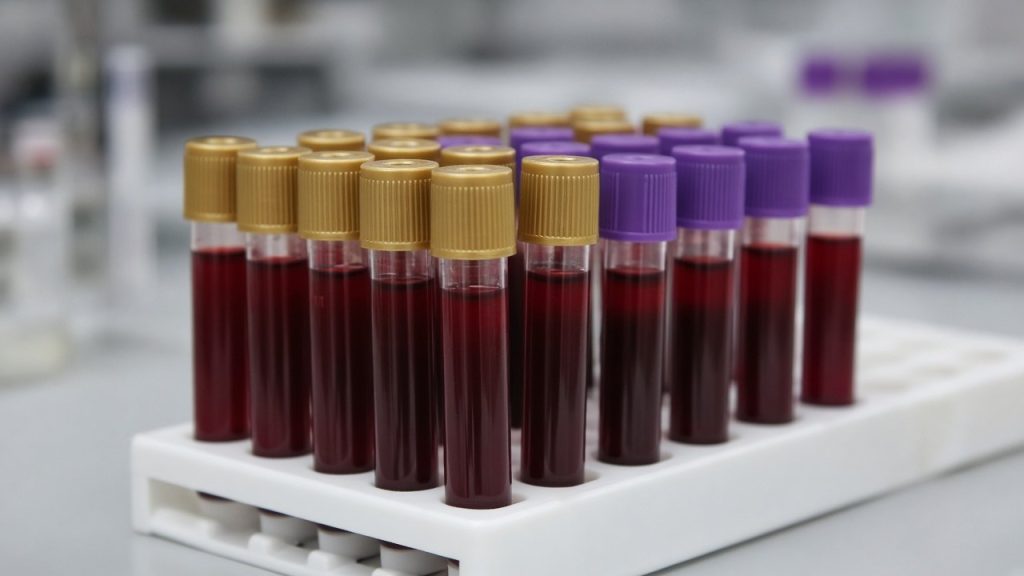
Beta day is the morning that ends the two-week wait, and for most people it arrives with a stomach full of knots. A beta hCG is a blood test that measures the pregnancy hormone (human chorionic gonadotropin) your body starts making after implantation. Your clinic schedules the draw, usually about 9 to 14 days after transfer depending on the embryo’s age, and the single most important thing to know is this: one number is a starting point, not a verdict. The story is told by the trend, a second draw on a timed interval that shows whether the hormone is rising, and eventually by an ultrasound.
Units are typically mIU/mL (the same as IU/L for this purpose). Assays differ between labs, so copying a stranger’s “perfect 150” from a different hospital system is not science. Your clinic knows which assay they use and which thresholds they counsel on. One isolated value without context starts more arguments online than it settles in a clinic.
When beta day lands: a simple timeline
Clinics set beta day based on embryo age, because a Day 5 blastocyst implants on a different schedule than a Day 3 embryo. Typical first-draw windows look like this, though your clinic’s date always wins over any chart:
| Embryo age at transfer | Typical first beta draw | Why the timing differs |
|---|---|---|
| Day 3 embryo | Around 12 to 14 days after transfer | Earlier-stage embryos implant later, so the hormone needs more days to reach detectable levels |
| Day 5 blastocyst | Around 9 to 11 days after transfer | Blastocysts implant sooner, so clinics test earlier |
| Day 6 or Day 7 blastocyst | Around 8 to 10 days after transfer | Later blastocysts follow the same math as Day 5, adjusted by their age |
Trigger shots (hCG used to mature eggs) can still be in the bloodstream if you test too early after a fresh cycle. That is one reason clinics pick a beta day instead of encouraging daily home sticks. Testing early only buys you a number your clinic cannot interpret, and a few days of worry you did not need.

What a first beta can and cannot say
A positive means detectable hormone, not a viable heartbeat, not twins, not a boy or girl, and not a due date. Very high first values sometimes occur with multiples or with a later-than-usual test day; they also occur in singletons. Very low positives may rise normally, rise poorly, or resolve as a biochemical pregnancy. The next data point and, later, ultrasound are how clinicians sort those paths, not a screenshot of a forum chart.
Doubling time: how clinics read the trend
Early pregnancies often show beta hCG rising roughly 50 to 100 percent every 48 hours when starting from moderate levels, though very low starting values may rise more slowly and still succeed. The expected minimum rise depends on the starting value and gestational age, which is why doubling is a range, not a stopwatch. A slower rise needs clinical follow-up; it is not a DIY miscarriage diagnosis. A rise that looks “too fast” is also not a diagnosis of twins. Ectopic pregnancy can still occur after IVF, including after transfer; pain, dizziness, or shoulder pain with a positive test is a same-day call, not a wait-for-the-next-blog-post situation.
| Initial beta context | What clinics often do next |
|---|---|
| Clearly positive with appropriate rise | Schedule repeat, then early ultrasound |
| Low positive | Closer-interval repeats, cautious counseling |
| Plateau or fall | Rule out ectopic, see ectopic after IVF |
| Negative on scheduled day | Stop luteal support per protocol, plan next steps |
Our site offers a beta hCG doubling calculator for educational interval math, but clinic decisions always override calculator output. Confirm with your clinic before drawing conclusions from any online tool.
Questions worth asking your clinic
Bring these to your nurse call instead of scrolling forums at midnight:
- Which lab assay do you use, and do I need to keep using the same one for every draw?
- How many days apart do you want my repeat draws, and what rise are you hoping to see for my embryo age?
- If the number is low or borderline, what is your exact plan: repeat in 48 hours, progesterone check, early scan?
- At what point do we stop drawing blood and move to the first ultrasound?
- Should I keep taking all my luteal support meds until you tell me otherwise, no matter what the home test says?
When numbers plateau or fall
Falling hCG after a rise, or a plateau, is managed with repeat labs and a plan for possible miscarriage or ectopic surveillance. You should know how to reach the on-call service. Grief after a biochemical pregnancy is real even if you never had a scan. You do not need to minimize it because “it was only a blood test.”
Assay drift and clinic-to-clinic chaos
If you draw beta at a different lab than your clinic uses, the number may not be comparable. Ask whether they will accept an outside lab, and whether they want you to repeat on their assay before they change the plan. Print or screenshot each result with the time and the units. Verbal numbers in a car park get misremembered, especially when you are shaking.
Why blood beta beats home tests after IVF
Quantitative beta hCG measures the exact concentration of pregnancy hormone in blood. Clinics schedule the first draw on a fixed day because earlier values may be too low to interpret and trigger hCG from retrieval cycles can interfere with home urine tests. A single number is never the whole story; teams look at absolute level, trend on repeat draws 48 to 72 hours apart, and correlation with transfer day and embryo stage. Urine tests only tell you above or below a rough threshold, they cannot show a doubling rate or distinguish chemical pregnancy from a healthy rise early on. For home testing pitfalls, see home pregnancy test after IVF.
After positive beta: ultrasound timing and due dates
The first transvaginal ultrasound typically occurs around 6 to 7 weeks gestational age, calculated from transfer date and embryo stage, not last menstrual period. The scan confirms intrauterine location, gestational sac, and later cardiac activity. Beta values alone do not date a pregnancy precisely once high enough; obstetric dating returns to IVF transfer math. A high beta does not move your due date either, see why beta hCG does not change your IVF due date. Once transfer day and embryo age are known, use the IVF due date calculator (Day 5 = 261 days from transfer; Day 7 = 259). The same offsets are in our Android app.
Progesterone support often continues through early scans, see progesterone after IVF transfer. Falling beta after initial positivity requires medical management, not forum speculation. Emotional planning for beta day belongs in the two-week wait guide; this page stays focused on labs.
Lab draw practicalities: morning appointments avoid afternoon hydration dilution debates; tell the phlebotomist you need quantitative beta, not qualitative urine-style reporting. Some patients receive results through portals before the nurse calls; resist panic-reading a single value without context. If your clinic uses progesterone in oil, ask whether the same draw can include a progesterone level when indicated. Twin pregnancies sometimes show higher early beta but overlap with singleton ranges; ultrasound remains the arbiter. Record each result with date, time, and hours since the prior draw so doubling math stays honest when shared with your team.
Frequently asked questions
What is a good beta hCG level 10 days after Day 5 transfer?
Ranges vary widely for viable singleton pregnancies. Clinics care more about trend than a single threshold. Ask your team what they expect for your embryo stage, and confirm with your clinic.
How fast should beta hCG double after IVF?
Often about every 48 to 72 hours in early pregnancy, but low starting values may rise slower and still succeed. Your clinic interprets repeats in context.
Can stress or activity lower beta hCG?
Beta reflects implantation and embryo viability, not daily stress or walking. Focus on scheduled repeats rather than lifestyle blame.
When can I stop beta draws and rely on ultrasound?
Usually after two appropriately rising values and scheduling of the first scan. Thresholds differ, so follow your center’s pathway.
My portal shows results in different units than my clinic quotes. What do I do?
Do not convert them yourself. mIU/mL and IU/L are equivalent for this purpose, but if the units look unfamiliar, ask the nurse which assay the number came from before comparing it to anything.
Sources
ACOG. Early Pregnancy Loss FAQ · HFEA. IVF treatment overview · ASRM. Practice committee documents · CDC. ART program information
Tools: IVF due date calculator · FET calculator · Android app
When that first number lands in your portal, call your clinic before you call anyone else. They know your assay, your protocol, and your embryo age, and a two-minute nurse call is worth more than two hours of forum scrolling.
Educational guide only — not medical advice. If your clinic chart disagrees with a date here, use the clinic chart. For pain, heavy bleeding, or fever, call your clinic’s after-hours line.