

October 2026 update. Dr. Farhan. Confirm numbers with your clinic.
Being told you have endometriosis and IVF in the same breath can feel like a door closing. It is not that simple. Endo changes the playbook, sometimes egg numbers, sometimes pelvic anatomy, sometimes how much pain you carry into retrieval day, but plenty of patients with endometriosis deliver healthy babies from IVF. The win is knowing which endo facts actually matter for your cycle.
Endo does not mean poor eggs by default
Deep infiltrating disease and endometriomas (chocolate cysts) get the headlines. Some studies show lower yield when large cysts sit on the ovary; others show minimal impact after careful surgical planning. Age still dominates egg quality more than a stage III label on a lap report from five years ago. Your clinic should know where lesions were, whether endometriomas were drained or stripped, and if hydrosalpinx or adenomyosis coexist. Those findings change stimulation monitoring intensity, anesthesia planning, and whether transfer is fresh or deferred to a frozen cycle after recovery.
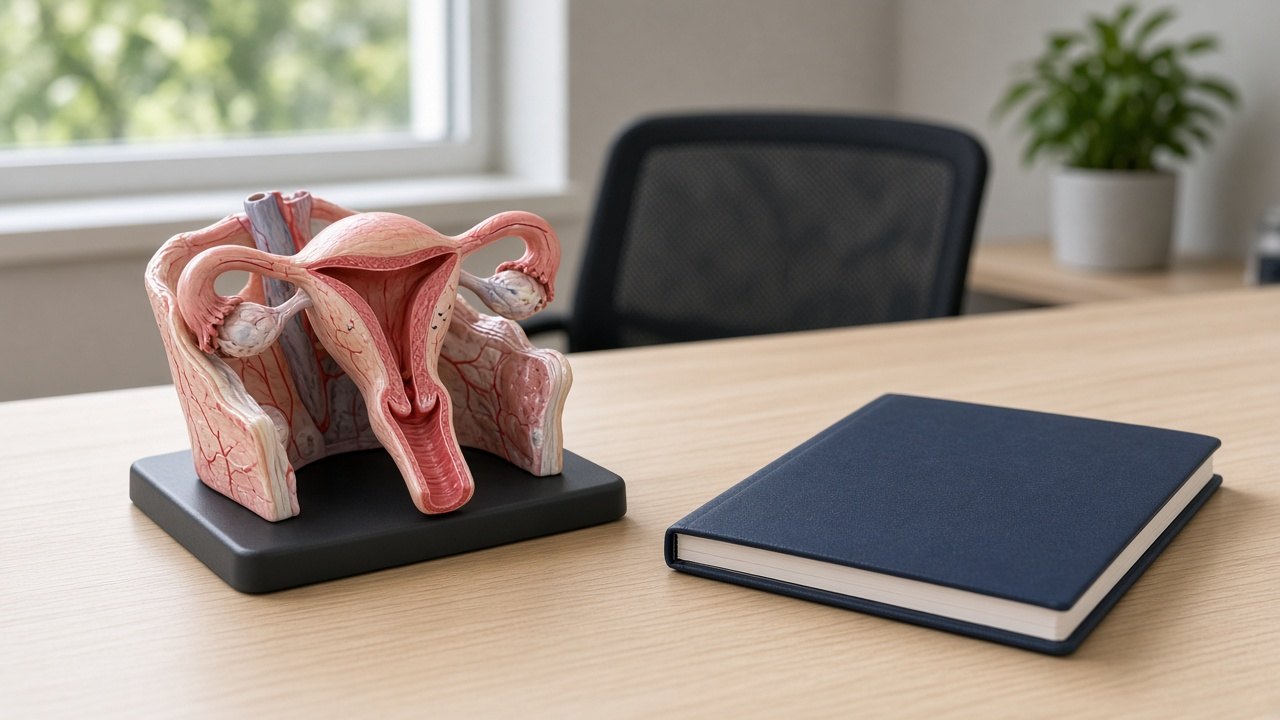
What your stage label actually changes
Laparoscopy reports stage endometriosis I to IV (minimal, mild, moderate, severe), the same staging ASRM uses in its patient fact sheet. The stage describes what the surgeon saw, not a guaranteed IVF outcome. What it does change is which conversations your team has with you.
| Stage | Surgical picture | What it usually changes for IVF |
|---|---|---|
| I (minimal) | A few small implants, no significant scar tissue | Often no change to the IVF plan; the diagnosis is mostly information |
| II (mild) | More implants, mild adhesions | May prompt a closer look at tubal function; stimulation usually unchanged |
| III (moderate) | Deep implants, small endometriomas, more adhesions | Endometriomas can complicate retrieval access; the operate-or-not discussion becomes real |
| IV (severe) | Large endometriomas, dense adhesions, possibly frozen pelvis | Retrieval access and anesthesia planning get extra attention; surgery-versus-IVF-first becomes the central debate |
Two patients with the same stage can have very different cycles. Focus on the actionable findings: endometrioma size, ovarian access, hydrosalpinx, and adenomyosis signals, rather than the number on the old report.
Surgery before IVF: timing matters
Removing a 6 cm endometrioma might help access follicles; stripping both ovaries aggressively might buy months of relief and cost months of ovarian reserve. There is no one-size rule. ASRM’s fact sheet notes that surgery can improve natural conception chances and pelvic anatomy, but there is a limit to how much it improves pregnancy rates, so the decision should be individualized. Ask:
- Will surgery happen in the same year as IVF?
- How long should I wait after laparoscopy before stimulation?
- Are we removing cysts, burning lesions, both, or neither?
Rushing IVF two weeks after major ovarian surgery is rarely ideal; waiting a year when you are 41 may not be ideal either. That tension is why second opinions exist. Second opinions help especially when surgery is recommended in the same month you hoped to start gonadotropins.
| Clinical picture | Common RE-endo discussion points |
|---|---|
| Small endometrioma, good reserve | IVF first vs operate; balance access vs AMH risk |
| Large bilateral cysts | Often operate before stim; document reserve after healing |
| Recurrent failed FET with good embryos | Consider prolonged down-regulation, adenomyosis imaging, ERA |
| Severe pain during estrogen rise | Pain plan without stopping cycle abruptly |
Stimulation with endo on board
Antagonist protocols are common; some doctors add flare precautions if endometriosis flares with estrogen rises. Our stimulation protocols guide compares the main approaches. You might feel more pelvic pressure during stimulation; distinguish normal bloating from OHSS warning signs and from an endo flare you already know by feel. Bowel endometriosis symptoms during stimulation warrant early calls to your team; not all pelvic pressure is normal follicle growth. Keep a symptom log during estrogen rise so post-retrieval pain discussions reference dates rather than vague memory.
Transfer planning and the lining
Endo can coexist with a beautiful trilaminar lining; it can also coexist with a thin one despite good estrogen. If your clinic talks about prolonged down-regulation or GnRH agonist before FET, they are usually trying to quiet inflammatory endo signals; evidence is evolving, not gospel. Track lining checks in our lining thickness guide so you know what the numbers mean for you. Adenomyosis, endometrial tissue within the uterine muscle, sometimes travels with endo and may explain stubborn lining issues despite good estrogen; MRI or expert ultrasound can suggest it when transfers fail repeatedly.
After transfer, the two-week wait feels familiar to anyone who has managed chronic pelvic pain. Untreated pain steals sleep, and sleep steals coping skills. Discuss allowed analgesics during stimulation and after retrieval. Our frozen embryo transfer guide covers deferred transfer planning, which some endo patients prefer.
Pain management without derailing the cycle
Discuss which pain meds are allowed during stimulation and after retrieval. Heat, physiotherapy, and gentle walking help some people; others need prescribed relief. Endo-related fatigue during stimulation is common; plan lighter work weeks when monitoring visits cluster.
When to push for a specialist conversation
Consider an RE-endo joint plan if you have:
- Recurrent failed transfers with good embryos
- Hydrosalpinx not yet addressed
- Multiple endometriomas or prior ovarian surgery
- Severe pain escalating during estrogen rise
After pregnancy, endo does not vanish
Pregnancy often suppresses symptoms temporarily; they can return postpartum. That is a future-you problem, but mentioning it now prevents the shock later. For dating this pregnancy, use transfer-based tools; endo history does not change Day 5 math. Use our IVF due date calculator for scheduling NIPT and anatomy scans.
Tools: IVF due date calculator · Android app
Confirm every next step with the team that ordered your labs. This article is teaching material only.
Frequently asked questions
Does endometriosis always mean poor egg quality?
No. Endo may affect quantity more than quality in some patients, especially with endometriomas. Age remains the strongest egg-quality predictor.
Should I have excision surgery before every IVF cycle?
Not automatically. Repeat surgery can create scarring and lower reserve. The decision depends on symptoms, imaging, prior operations, and timeline pressure. Our guide to miscarriage after IVF also covers when repeated losses prompt a deeper workup, which sometimes overlaps with endo evaluation.
Is fresh transfer safe with endometriosis?
Some programs prefer freeze-all to avoid high estrogen during fresh transfer windows, especially with severe disease. Clinic policy and OHSS risk guide the choice.
Will pregnancy cure endometriosis?
Pregnancy often suppresses symptoms temporarily; they may return postpartum. Plan postpartum pain management with your OB and gynecologist separately from IVF planning.
Endometriosis is a modifier, not a verdict, and the only person who can map it onto your ovaries is your own doctor, so bring your surgical reports and your questions to that appointment, not to a comment section.
Sources
Educational guide only — not medical advice. If your clinic chart disagrees with a date here, use the clinic chart. For pain, heavy bleeding, or fever, call your clinic’s after-hours line.