

Edited September 2026 by Dr. Farhan. Educational guide, not a consult.
After repeated failed transfers with good embryos, someone will mention an ERA test before FET. Endometrial Receptivity Analysis tries to answer a narrow question: is your lining open for business on the day your clinic usually transfers, or do you need the calendar shifted a day or two?
What the ERA actually measures
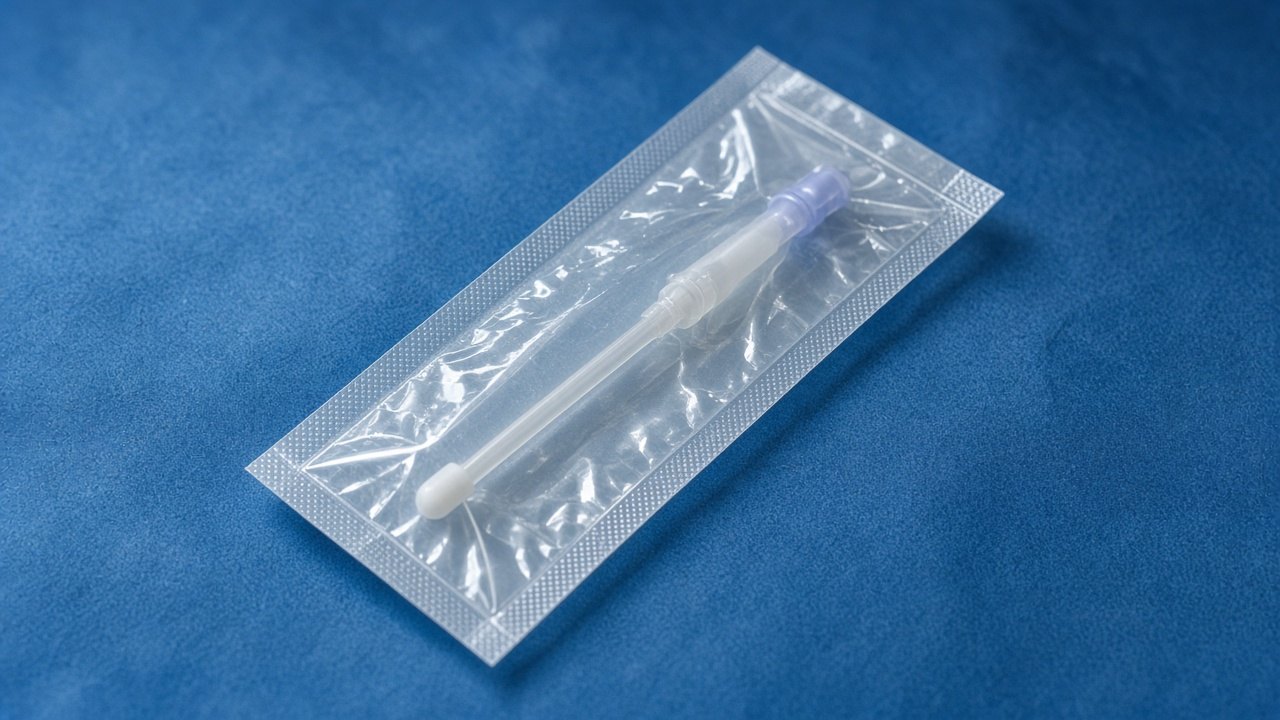
During a mock frozen cycle (or a modified natural cycle), the clinic biopsies a tiny sample of lining on the day they would normally transfer. Lab analysis looks at gene expression patterns and classifies the tissue as receptive, pre-receptive, or post-receptive, sometimes giving a suggested shift (for example, transfer 12 hours later next cycle).
Who might be offered ERA
Not every patient needs it. Centers discuss ERA more often when:
- Multiple euploid or high-quality embryo failures with no clear cause
- Lining looks good on ultrasound but pregnancies never stick
- Prior biopsy or surgery changed uterine anatomy
- You are building a complex FET calendar after recurrent loss work-up
First-time FET patients with a normal work-up rarely start here, cost and extra months matter.
How the biopsy feels
Similar to an endometrial biopsy for uterine testing: crampy for a minute, quick, done in-office for most people. You may bleed lightly afterward. It is not the embryo transfer, no anesthesia, no full bladder protocol, no embryo at stake that day.
What results can and cannot do
A receptive result supports your clinic’s standard timing, it does not guarantee pregnancy. A pre- or post-receptive label suggests adjusting progesterone exposure before real transfer. Studies disagree on how much ERA improves live birth rates for the average patient; benefit appears clearer in selected recurrent implantation failure groups. Treat it as personalized scheduling data, not magic.
ERA vs lining thickness ultrasound
Thickness and trilaminar pattern on ultrasound show structure; ERA argues about timing. You can have a 9 mm lining on scan and still be post-receptive on ERA, that is why both tools exist. Our lining thickness guide covers ultrasound targets; ERA sits beside it, not instead of it.
Cost, timing, and cycle planning
ERA adds a mock cycle month plus lab fees, often out-of-pocket depending on insurance. Embryos wait frozen; emotionally that can feel like another pause. Ask whether your clinic repeats ERA after a live birth or failed shifted cycle, policies differ.
After a receptive FET succeeds
Pregnancy dating still uses the real transfer date and embryo age, not biopsy day. Plug transfer into our FET due date guide and homepage calculator. ERA does not change Day 5 math.
Three questions before you agree
How many failed transfers do you use as your ERA threshold?
If results say pre-receptive, exactly how will my next FET protocol change?
Does ERA replace any other tests you would otherwise order?
Tools: IVF due date calculator · Android app
ERA Test Before FET is clinic-specific. Use this as a checklist for questions, not as a diagnosis.
What ERA adds to a standard FET calendar
Most medicated frozen embryo transfer cycles assume the endometrium becomes receptive after a fixed number of days on estrogen followed by a fixed interval on progesterone. An ERA test before FET (Endometrial Receptivity Analysis) challenges that one-size calendar. During a mock cycle that mirrors your real FET prep, the clinic biopsies lining tissue on the day transfer would normally occur. A genetics lab reads gene-expression patterns and labels the sample receptive, pre-receptive, or post-receptive, sometimes recommending shifting progesterone exposure by hours or a full day before the actual transfer cycle.
ERA does not measure embryo quality, sperm DNA, or tubal disease. It addresses one question: was this lining biologically “open” on the biopsy day? That is why ERA sits beside ultrasound lining checks in our lining thickness guide, not instead of them. You can have an 8 mm trilaminar stripe and still receive a post-receptive ERA label.
Who is most often offered ERA
First-time FET patients with normal imaging and good embryos rarely need ERA on cycle one, cost, extra months, and limited benefit in unselected populations drive that restraint. Clinics discuss ERA more frequently when euploid or high-grade embryos repeatedly fail without uterine anomalies on hysteroscopy, when prior biopsy or Asherman’s scarring changed anatomy, or when recurrent implantation failure work-ups otherwise come back unrevealing.
| Scenario | Why ERA enters the conversation |
|---|---|
| 2-3+ failed transfers with good embryos | Timing mismatch is a testable hypothesis |
| Normal lining on scan, no pregnancy | Structure looks fine; receptivity timing may differ |
| Complex FET after RPL work-up | Personalized progesterone window may be next step |
| First FET, young patient, one average embryo | Usually not first-line, shared decision on cost |
Large randomized trials show mixed live-birth benefits for unselected patients; benefit appears clearer in selected recurrent implantation failure cohorts. Treat ERA as scheduling data, not a guarantee.
Biopsy experience, cost, and after a receptive FET
The ERA biopsy feels like a brief endometrial biopsy: cramping for a minute, possible light bleeding, typically office-based without anesthesia. It is not transfer day, no embryo, no full bladder, no bed rest afterward. ERA adds a mock cycle month plus lab fees often paid out of pocket. Embryos remain frozen while you wait for results, which can feel like another pause in a long journey.
A receptive ERA supports your clinic’s standard timing; it does not promise pregnancy. Pre- or post-receptive labels prompt protocol tweaks, extended progesterone, earlier transfer, or adjusted estrogen length, that your RE documents for the real FET. After a successful transfer, obstetric dating still anchors to the actual transfer date and embryo stage, not biopsy day. Use our FET overview and FET due date calculator once pregnancy is confirmed.
ERA competitors and add-on receptivity tests exist at some labs; compare what your clinic actually orders rather than assuming every “receptivity panel” is identical. Insurance rarely covers ERA without documented recurrent implantation failure. Budget for mock-cycle medications plus biopsy shipping in addition to the genetics fee. If ERA suggests a shifted window, ask for the exact progesterone schedule in writing before the real FET, small timing errors undo personalized results.
Frequently asked questions
Is ERA the same as an endometrial pathology biopsy?
No. Pathology biopsies look for inflammation, chronic endometritis, or hyperplasia under a microscope. ERA analyzes gene expression for receptivity timing. Some clinics order both in work-up, but they answer different questions.
How long do ERA results take?
Turnaround is often one to three weeks depending on the lab and shipping. Your FET calendar starts after the report is reviewed in a planning visit.
Should ERA be repeated after a live birth or failed shifted cycle?
Policies differ. Some clinics never repeat; others repeat after major protocol changes or long gaps. Ask whether your center treats ERA as one-time calibration or periodic recheck.
Can ERA replace hysteroscopy?
No. Polyps, adhesions, and submucosal fibroids require direct visualization. ERA does not diagnose intrauterine structural problems.
Sources
- ASRM patient education, endometrial testing context
- PubMed / NIH, peer-reviewed ERA outcome studies
- ACOG, endometrial cycle physiology background
Educational guide only — not medical advice. If your clinic chart disagrees with a date here, use the clinic chart. For pain, heavy bleeding, or fever, call your clinic’s after-hours line.